 Light Attack Squadron Four (VAL-4)
"Black Ponies"
Vung Tau & Binh Thuy, South Vietnam
January 1969 ~ April 1972
Light Attack Squadron Four (VAL-4)
"Black Ponies"
Vung Tau & Binh Thuy, South Vietnam
January 1969 ~ April 1972
Near The City Of Can Tho Along The Banks Of The Bassac River Naval Support Activity Binh Thuy Was Built To Provide A Home For Operation Game Warden And The HAL-3 'Seawolves'. After Being Commissioned With UH-1B Helicopters Borrowed From The Army, HAL-3 Started Providing Air Support To The Brown Water Navy From Several Locations In The Mekong Delta In 1967. Operation SEALORDS (South East Asia Lake Ocean River Delta Strategy) Further Expanded The Navy's Role In This Vital Area In 1968.
VAL-4's History At Binh Thuy Began During A Site Visit To The TF-116 Headquarters In The Summer Of 1968, CNO Admiral Tom Moorer Was Being Briefed By The TF-116 Operations Officer Tom Glickman Who Was Addressing Helicopter Assets And The Need For An Increase In The Number Of Airframes. Admiral Moorer Interupted The Briefing By Saying, "You Are Not Going to Get More Helicopters, Instead You Will Be Getting Fixed Wing Aircraft." Admiral Moorer Then Gave A Short Briefing To COMNAVFORV RADM Veth And Captain Art Price (CTF-116) And Others In The Room About The Planned Black Pony Aircraft; He Then Chided His Staff For Not Informing His Operational Units In-Country About The Decisions Being Made In Washington That Impacted Them Directly.
On September 30th Admiral Zumwalt Relieved Admiral Veth And Continued These Initial Steps To Increase And Improve The Air Coverage That HAL-3 Was Providing. It Had Been Determined That The Mission To Provide Air Support To River Patrol Forces In The Mekong Delta And The Rung Sat Special Zone Required An Airframe That Could Respond Quickly, Loiter In The Target Area, And Provide An Assortment Of Firepower. Helicopters Did Not Meet The Requirements And Were Extremely Scarce - The Fixed Wing Choices Were Also Limited.
The Black Ponies Of Light Attack Squadron Four (VAL-4) Came Into Being On January 3, 1969 When The Squadron Was Commissioned At Naval Air Station North Island Located Across The Bay From San Diego, California. After A Short Period Of Intense Training, The Black Ponies Packed Up And Deployed To Vietnam Where They Established Two In-Country Detachments In March, 1969. Flying Operations Began At Both Detachments In April; Initially The Black Ponies Flew Four Types Of Missions - Armed Patrols, Overhead Air Cover, Naval Gunfire/Artillery Spotting, And Quick Reaction 'Scramble' Alerts. By Utilizing An External Fuel Tank, Black Pony Bronco's Were Capable Of Providing Four To Five Hours Of On-Station Air Coverage To Army Mobile Riverine Forces And Brown Water Navy Sailors Deployed Around The Mekong Delta. The Vung Tau Detachment Was Also Assigned The Additional Duties Of Providing Air Protection Along The Main Shipping Channel Going To Saigon And Patrolling The Rung Sat Special Zone With A Marine Observer. (What Was The Rung Sat - It's An Interesting Read, Wish I had Read It Before Jumping Out Of A Helicopter At The Crash Site - But "Higher Authority" Deemed We Didn't Need To Know)
The Ability To Carry An Abundance Of Ordnance Farther And Faster Than A Helicopter Quickly Made The Black Ponies A Popular Choice Of The Ground Troops. In 1970 The Black Ponies Expended 5,450,383 Rounds Of 7.62mm Ammunition; 75,616 Rounds Of 20mm Ammunition; 68,849 2.75 Inch Rockets; 10,436 Flares; And 35,824 Five Inch "Zuni" Rockets. In Addition To The Number Of Confirmed Kills-By-Air And The Number Of Structures, Bunkers, And Sampans Destroyed, The Black Ponies Were Credited With Destroying Thirty-Six Enemy .51 Cal. Gun Sites.
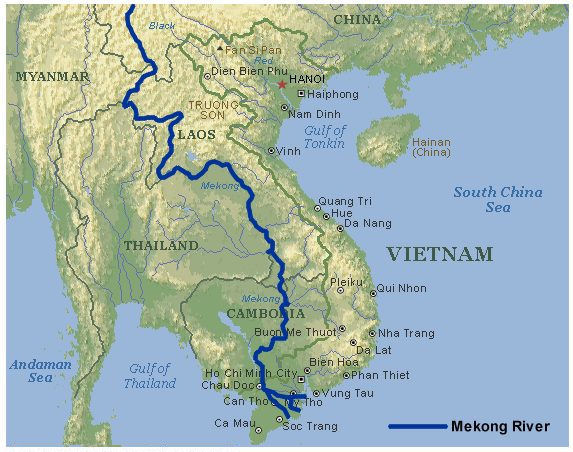 From It's Head Waters In Tibet The Mekong River Flows Across China, Thailand, Laos And Cambodia, Before It Splits Into Several Tributaries As It Crosses Into Vietnam. During The French Colonization Period A Series Of Canals Was Built That Allowed Various River Craft To Transport 90% Of The Regions Rice Crop And 50% Of Its Population Throughout The "Mekong Delta". The Strength Of The Viet Cong In This Region In The Early 1960's Led To The Navy Establishing Operations 'Market Time' By TF-115 And 'Game Warden' By TF-116 In 1965. Mobile Riverine Forces Were Expanded Throughout 1966 And 1967 To Provide Transportation For The Army's Ninth Division.
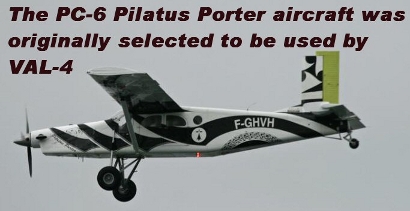 After Congress Balked At A "Sole Source" Contract That Would Allow The Navy To Buy A Fairchild-Hiller Version Of The "Platypus Porter" Aircraft, It Was Decided To Borrow OV-10's From The Marine Corps. North American Had Developed The OV-10A "Bronco" In 1965 In Response To The Defense Departments Request For A Light Armed Reconnnaissance / Counter Insurgency Aircraft (LARA /COIN). The Marines Were the First To Take Delivery Of The Final Production Version Of The OV-10 In 1968, Followed Soon By The Air Force. Both Services Used The "Bronco" Primarily For Reconnaissance And Forward-Air-Control.
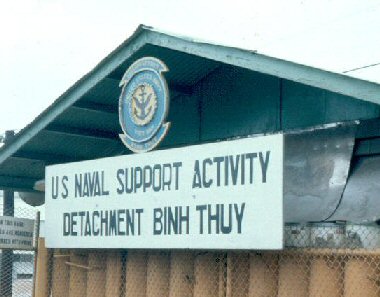 The Squadron's Headquarters Were Located At The Naval Support Activity Detachment At Binh Thuy That Was Also The Home Of The Task Force 116 'Game Warden' Operation. 'Detachment Alpha' Conducted Flight Operations From The US/VN Air Force Base At Binh Thuy On The Hau Giang (Bassac) River North West Of The Mekong Delta's Largest City - Can Tho. 'Detachment Bravo' Was Located On The Army Airfield Near The In-Country Beach Town Of Vung Tau On The South China Sea.
| 04/69-12/69 | 01/70-12/70 | 01/71-12/71 | 01/72-04/72 | Total | |
|---|---|---|---|---|---|
| Sorties Flown | 5,395 | 7,354 | 7,004 | 2,049 | 21,802 |
| Flight Hours | 9,613 | 15,268 | 14,250 | 3,731 | 42,862 |
| Confirmed Enemy Kills | 751 | 1,090 | 2,425 | 221 | 4,487 |
| Structures Destroyed | 897 | 1,248 | 959 | 184 | 3,288 |
| Bunkers Destroyed | 239 | 504 | 1,010 | 366 | 2,119 |
| Sampans Destroyed | 307 | 311 | 347 | 71 | 1,036 |
The 7th Air Force Controlled All Air Operations In Vietnam And Their "Rules Of Engagement" Limited The Black Ponies To "Forward Firing Ordnance". After A Fire On The USS Forrestal In 1967 And On The USS Enterprise In 1969, The Navy Transfered It's Inventory Of 5" Zuni Rockets To VAL-4. Eventually The Black Ponies Would Be Given The CBU-55 FAE (Fuel-Air-Explosive) Parachute Retarded Bomb As The Bronco Was The Only Aircraft The Navy Had That Could Deploy It Efficiently. By The Time The Squadron Was Decommissioned On April 10, 1972 The Black Ponies Had Dropped Over 11,000 Tons Of Ordnance Costing More Than $22,500,000. In April 1971, VAL-4 Black Ponies Were Scrambled And Engaged An SL-8 Enemy Trawler And Were Credited With Assisting In The Sinking Of A Steel Hulled Enemy Vessel Capable Of Carrying 250 Tons Of Arms And Supplies.
By The End Of Their Three Years Of Flying Missions In Vietnam Approximately 530 Enlisted Men And 145 Officers Had Served In VAL-4. Seven Aircraft Were Lost; Six Pilots And One Observer Were Killed In Action; And Eight Pilots, One Observer And One Enlisted Man Were Wounded In Action.
Commanding Officers And Date Assigned
Unit Awards for VAL-4
Unit Awards for Det. "B"